
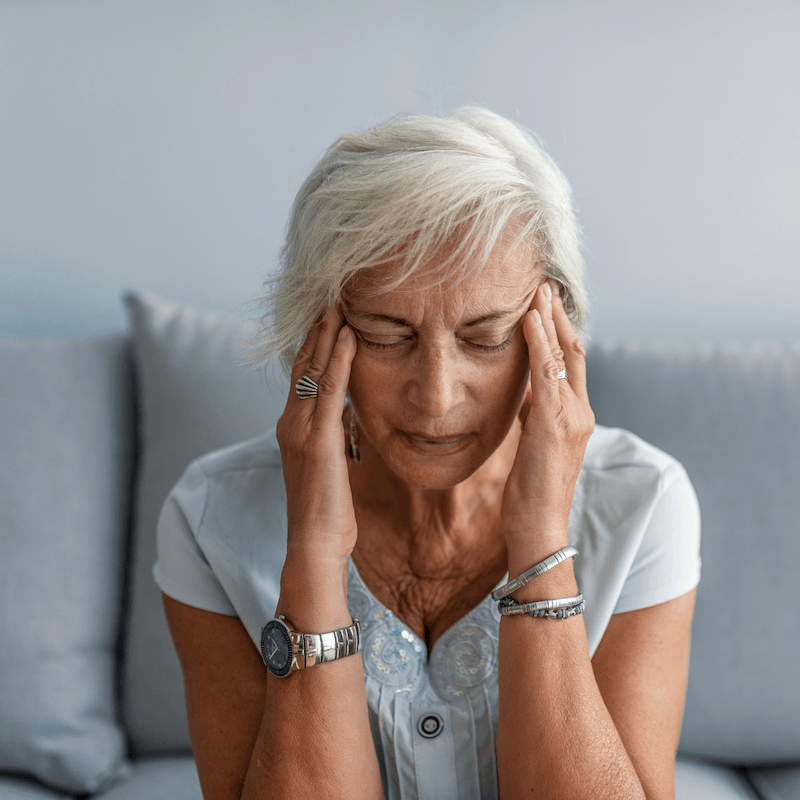
A migraine condition does not always cause debilitating head pain; in clinical reality, a vestibular migraine targets balance function, motion perception, and spatial awareness. Our otolaryngology practice evaluates ongoing dizziness episodes to differentiate vestibular migraine from other balance disorders. Establishing appropriate migraine treatment depends on recognizing presenting symptoms and communicating these patterns to your healthcare team.
Comparing Vestibular Migraines to Typical Migraine Headaches
Although stemming from the same neurobiological disorder spectrum, vestibular migraine and typical migraine present with distinct primary complaints. Standard migraine attacks frequently involve moderate or severe head pain described as unilateral, pulsating, and exacerbated by standard exertion. This cephalalgia is often accompanied by gastrointestinal nausea, photophobia (light sensitivity), phonophobia (sound sensitivity), and visual aura.
Clinically, vestibular migraine is characterized by acute vertigo, spatial disorientation, postural unsteadiness, and motion hypersensitivity. While head pain may coincide with an episode, a headache is not clinically required for each vestibular attack. Manifestations may include false sensations of spatial movement, dizziness provoked by head turns, and difficulty tolerating busy visual environments.
Qualifying vestibular episodes generally last from five minutes to 72 hours. The variability of symptoms from one flare-up to another makes identifying a migraine link less straightforward than tracking head pain.
Understanding the Biological Mechanisms of Vestibular Migraine
No single disorder is known to cause vestibular migraine. The pathology seems to stem from shared central neural networks that process both vascular migraine signals and peripheral balance inputs. Genetic predisposition to migraines combined with a documented history of motion sensitivity markedly heightens susceptibility.
Documented physiological triggers include:
- Disrupted sleep architecture or chronic sleep deprivation
- Irregular nutritional intake, skipped meals, and dehydration
- Acute psychological stress or the physiological let-down phase following stress
- Menstrual or other hormonal changes
- Harsh glare, strobe lighting, or visually overwhelming public spaces
- Extended vehicle travel, dynamic physical movement, or fast smartphone screen scrolling
- Consumption of alcoholic drinks, caffeine withdrawal, or individualized food sensitivities
- Weather changes or sensory overload
Symptom Profiles: How Vestibular and Regular Migraines Present
Although typical migraines are known for throbbing headaches, the disease encompasses a broad constellation of symptoms beyond pain. A person may experience nausea, vomiting, visual aura, fatigue, brain fog, neck discomfort, or sensitivity to light, sound, and smell.
Patients with vestibular migraine frequently report:
- Illusory rotational spinning or non-spinning disequilibrium
- Generalized unsteadiness, stumbling, or compromised physical balance
- Movement-induced dizziness provoked by changing head positions
- Gastrointestinal nausea provoked by physical movement or riding in vehicles
- Intolerance to optic flow, including digital screens, moving highway traffic, crowded venues, or striped patterns
- Illusory sensations of bobbing, swaying, boat-like rocking, floating, or directional pulling
- Photophobia, sound intolerance, and pronounced optical hypersensitivity
- Paranasal or cranial pressure, tension sensations, or classic migraine-type headache
- Reversible aural pressure, sensations of blocked ears, or transient tinnitus
Evaluating the timing pattern, episode duration, and specific triggers helps differentiate vestibular migraine from other balance disorders. Sudden dizziness that coincides with motor weakness, limb numbness, difficulty articulating speech, double vision, syncope, or inability to stand requires immediate emergency assessment.
The Coexistence of Vestibular Migraine and Typical Migraine Episodes
Yes, clinical overlap is common. Vertigo and classical migraine headaches frequently coincide during the same physiological episode. Vertigo can herald the onset of headache, accompany active head pain, persist after the pain subsides, or present during an isolated, headache-free attack. Over time, patients may see their symptoms fluctuate between traditional headache attacks and balance-dominant episodes.
It is not necessary for a vestibular episode to involve headache pain to be directly tied to migraine disease. Using a detailed symptom diary can highlight critical physiological associations that prove difficult to remember weeks later. Note the frequency and length of dizziness, headache qualities, sensory changes, menstrual timing, sleep habits, meals, potential triggers, and therapeutic interventions. Detailed symptom tracking allows your medical provider to conduct a much more precise diagnostic assessment.
Clinical Diagnostic Procedures for Vestibular Migraine
A definitive diagnosis cannot be established through a single blood draw, MRI scan, or individual vestibular balance test. Diagnostic evaluation initiates with a structured examination of symptom chronology and a confirmed history of migraine with or without aura. Accepted diagnostic standards mandate documenting at least five moderate to severe vestibular attacks of five minutes to 72 hours duration, with migraine features accompanying at least half.
Our clinical evaluation includes targeted neurological exams, oculomotor testing, middle-ear inspections, diagnostic audiometry, and specialized balance studies. Based on your presenting symptoms, clinical testing may involve diagnostic audiometry, Dix-Hallpike positional testing, vestibular function studies, or MRI imaging. These tests help identify or rule out conditions that can cause similar dizziness. This clinical diagnosis is finalized only when your symptom history matches validated criteria and no other vestibular disorder better accounts for the findings.
What Treatments Are Available for Vestibular Migraines?
Clinical treatment is tailored to the individual, taking into account episode frequency, symptom severity, headache presence, coexisting health conditions, and drug tolerances. Clinical success typically relies on combining consistent daily prophylactic measures with an emergency protocol for managing acute vestibular episodes.
We develop an individualized treatment regimen which may feature:
- Establishing stable sleep hygiene, consistent meal schedules, optimal hydration, and routine physical conditioning
- Isolating and minimizing contact with consistent environmental or dietary triggers
- Adopting psychological relaxation practices, biofeedback, or cognitive behavioral strategies
- Utilizing pharmaceutical antiemetic therapies to control severe nausea and associated symptoms
- Limited use of vestibular suppressants during severe attacks
- Preventive pharmacological agents like beta-blockers, calcium channel blockers, topiramate, targeted antidepressants, or modern migraine therapies
- Customized vestibular rehabilitation therapy to address persistent disequilibrium and visual motion intolerance
Prescription vestibular suppressants must be used with caution, as continuous dosing induces significant sedation and inhibits central vestibular compensation. All prescription decisions must be established alongside our clinical team rather than borrowed from someone else’s treatment protocol. Patient recovery regularly requires incremental dosage adjustments and ongoing monitoring of treatment response over several months.
Contact Us for a Comprehensive Vestibular Migraine Evaluation
Should recurrent dizziness, motion sensitivity, or unsteadiness interfere with your daily routine, book a clinical consultation with our team. Your comprehensive consultation entails a thorough evaluation of migraine history, medical background, and individual goals, using targeted diagnostics to isolate vestibular migraine from BPPV, Ménière’s disease, or other vestibular etiologies. Call or message our office today to schedule your comprehensive vestibular migraine consultation.