
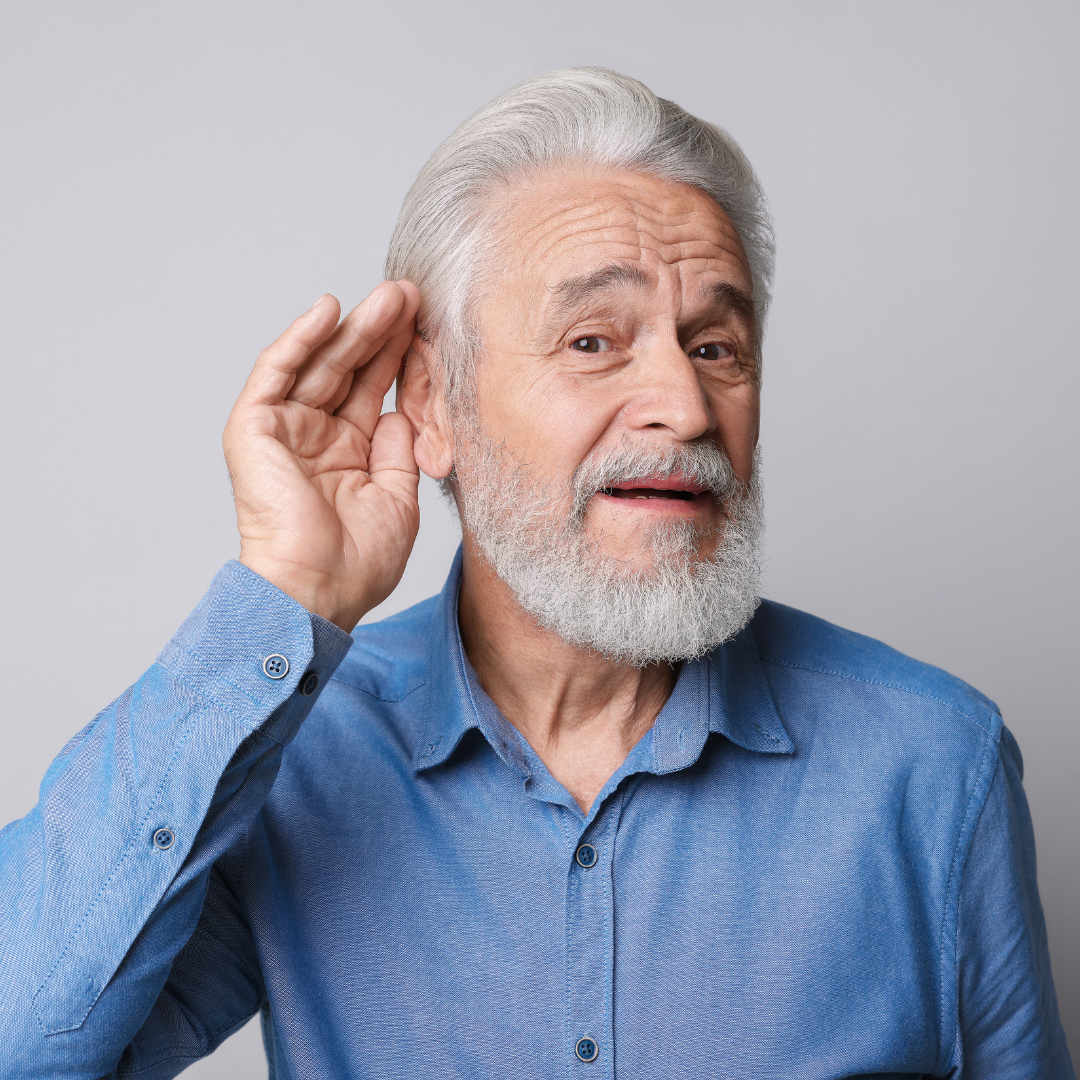
Experiencing a rapid decline in hearing in a single ear is a distressing event that creates understandable uncertainty. Our practice can provide urgent hearing testing and help coordinate appropriate medical care when a rapid change occurs. Any sudden hearing loss requires urgent clinical consultation with a hearing healthcare specialist to pursue immediate medical intervention or rehabilitation.
Is Sudden Unilateral Hearing Loss an Audiological Emergency?
Indeed it is. A sudden hearing loss affecting one ear must be addressed as a true medical emergency, especially if it unfolds across hours or several days. Sudden sensorineural hearing loss, colloquially known as sudden deafness, compromises the sensory hair cells of the inner ear or the auditory nerve. The episode frequently strikes without pain, making it easy to dismiss as seasonal allergies, sinus pressure, or a clogged ear.
Common clinical manifestations include:
- A sudden decline in unilateral sound perception or vocal intelligibility
- Struggling to hear or follow telephone speech on the compromised side
- An audible popping sound or intense feeling of aural fullness preceding the auditory decline
- New ringing, buzzing, or roaring in the affected ear
- Concomitant dizziness, spatial disorientation, or true spinning sensations
Never postpone clinical evaluation while waiting to see if hearing improves on its own. Reach out immediately to our audiology office, an urgent care facility, or an otolaryngologist for same-day evaluation.
Why Sudden Sensorineural Hearing Loss Demands Fast Evaluation
Immediate audiological evaluation is vital because clinical therapies for sudden sensorineural hearing loss deliver the greatest recovery potential when deployed without delay. We will first need to determine whether the change is conductive, meaning sound is blocked by earwax, fluid, or another outer- or middle-ear problem, or sensorineural, meaning the inner ear or auditory nerve is affected. Both conditions produce overlapping sensations of aural fullness and hearing loss, but their clinical interventions are entirely divergent.
An ear examination and a diagnostic hearing test can identify the type, pattern, and severity of the loss.
Obtain urgent emergency medical evaluation without delay if sudden hearing loss is accompanied by:
- Sudden facial droop, hemi-facial paresis, or sensory numbness
- Speech slurring, expressive language difficulty, mental confusion, or an acute severe headache
- Double vision, fainting, or difficulty walking
- Acute angina (chest pain) or any secondary indicators of systemic vascular crisis
Such presenting symptoms frequently indicate a major cerebrovascular or neurological emergency that demands immediate emergency room evaluation.
Potential Etiologies of Sudden Sensorineural Hearing Loss
Clinically, most instances of sudden sensorineural hearing loss are classified as idiopathic, meaning the root cause cannot be established. When clinical workups identify a source, it usually relates to vascular ischemia, cellular inflammation, acoustic trauma, immune reactions, or acoustic nerve pathology.
Recognized pathological triggers include:
- Inner ear viral pathogens or severe bacterial infections
- Head trauma or exposure to an intense sound
- Underlying autoimmune conditions attacking cochlear tissue
- Administration of potentially ototoxic pharmaceutical agents
- Vascular disruptions, arterial thrombosis, or reduced labyrinthine blood flow
- Peripheral inner ear pathologies such as classic Ménière’s disease
- Demyelinating central nervous system diseases including multiple sclerosis
- A benign retrocochlear growth, such as an acoustic neuroma on the auditory nerve
Since presenting signs do not confirm the specific etiology on their own, obtaining a prompt examination and diagnostic audiologic testing is essential.
Treating Sudden Sensorineural Hearing Loss: Corticosteroids and Advanced Care
High-dose corticosteroids serve as the primary first-line medical therapy when sudden sensorineural hearing loss presents without an identifiable cause. The treatment can be administered systemically via oral tablets or delivered locally through the tympanic membrane to reach inner ear structures directly. Treatment options are made by us and should account for the timing and severity of the loss, medical conditions, current medications, and potential side effects.
Corticosteroid therapy is standardly initiated within the first two weeks post-onset, making it vital to commence treatment as early as clinically feasible. Providers may advise intratympanic steroid injections as an aggressive salvage therapy if oral treatment produces incomplete hearing restoration. In specific clinical presentations, the otolaryngologist may recommend combining hyperbaric oxygen therapy alongside standard steroid regimens.
Will Sudden Hearing Loss in One Ear Resolve Without Medical Treatment?
Sudden sensorineural hearing loss can, in some circumstances, improve spontaneously without medical therapy. Roughly half of individuals with the condition experience spontaneous partial or complete auditory recovery, primarily during the initial two-week period. Still, there is no clinical way to predict at symptom onset who will experience spontaneous recovery, how much hearing will be regained, or whether stability will persist.
Anticipating spontaneous recovery is not a justifiable clinical rationale for postponing prompt care. Treatment becomes less likely to reverse permanent loss when it starts weeks after the change, so waiting may close an important treatment window. Recovery may be complete, partial, or minimal.
Audiological Management for Persistent Sudden Unilateral Hearing Loss
If the affected ear does not regain full function, subsequent steps hinge on residual hearing levels, word-recognition clarity, and the exclusion of structural pathology. We often coordinate a contrast-enhanced MRI study or an auditory brainstem response test to evaluate the vestibulocochlear nerve pathway.
Comprehensive long-term auditory solutions encompass:
- A conventional hearing aid if diagnostic testing confirms sufficient, aidable residual hearing
- A CROS system that sends sound from the poorer ear to the better ear
- A surgical or non-surgical bone-conduction device for medically appropriate clinical candidates
- Cochlear implantation for medically and audiologically eligible candidates presenting with single-sided deafness (SSD)
- Assistive listening technology for work, school, or conversations
Comprehensive audiologic rehabilitation helps remediate mental listening fatigue, spatial sound localization deficits, and everyday communication barriers. Determining the ideal intervention depends upon your diagnostic hearing test metrics, lifestyle demands, medical history, and personal communication goals.
Schedule an Urgent Hearing Evaluation
If you experienced a sudden drop in hearing today or within recent days, seek same-day clinical intervention instead of waiting for a standard checkup. Our audiologists will carry out diagnostic hearing tests, measure bilateral ear performance, assess symptom timelines, and coordinate directly with an ENT doctor or primary physician.
Reach out to our team immediately to request a prompt diagnostic hearing evaluation.