May 10, 2021

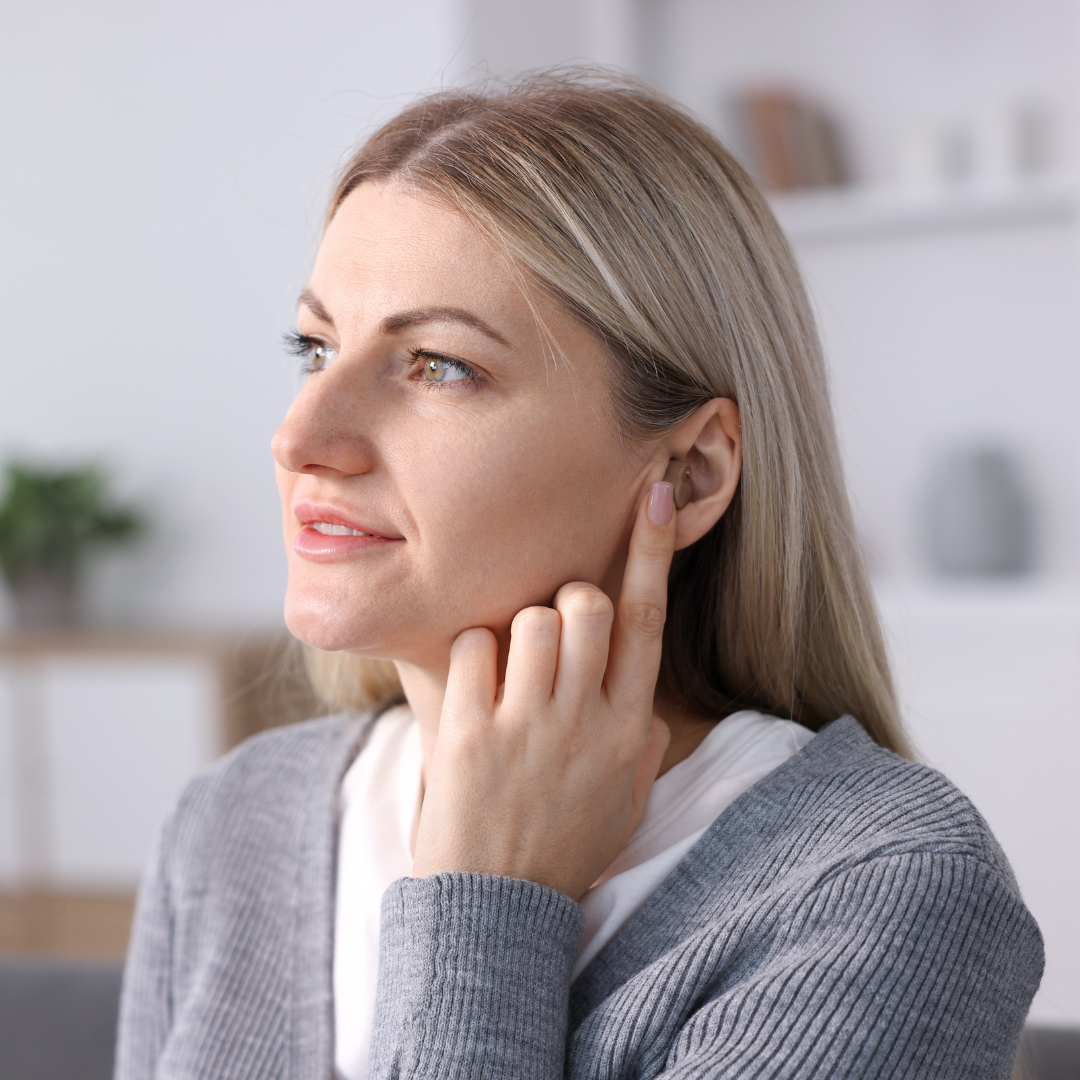
Stopping Hearing Aid Whistling: Causes, Solutions, and Clinical Care

An unexpected, piercing whistle emitted by a hearing aid can arise abruptly, causing major irritation and cognitive distraction until resolved. Our audiology clinic can determine if the acoustic feedback stems from poor physical fit, cerumen impaction, programming parameters, degraded components, or internal electronic failure. Review common feedback mechanisms alongside safe at-home maintenance steps to eliminate
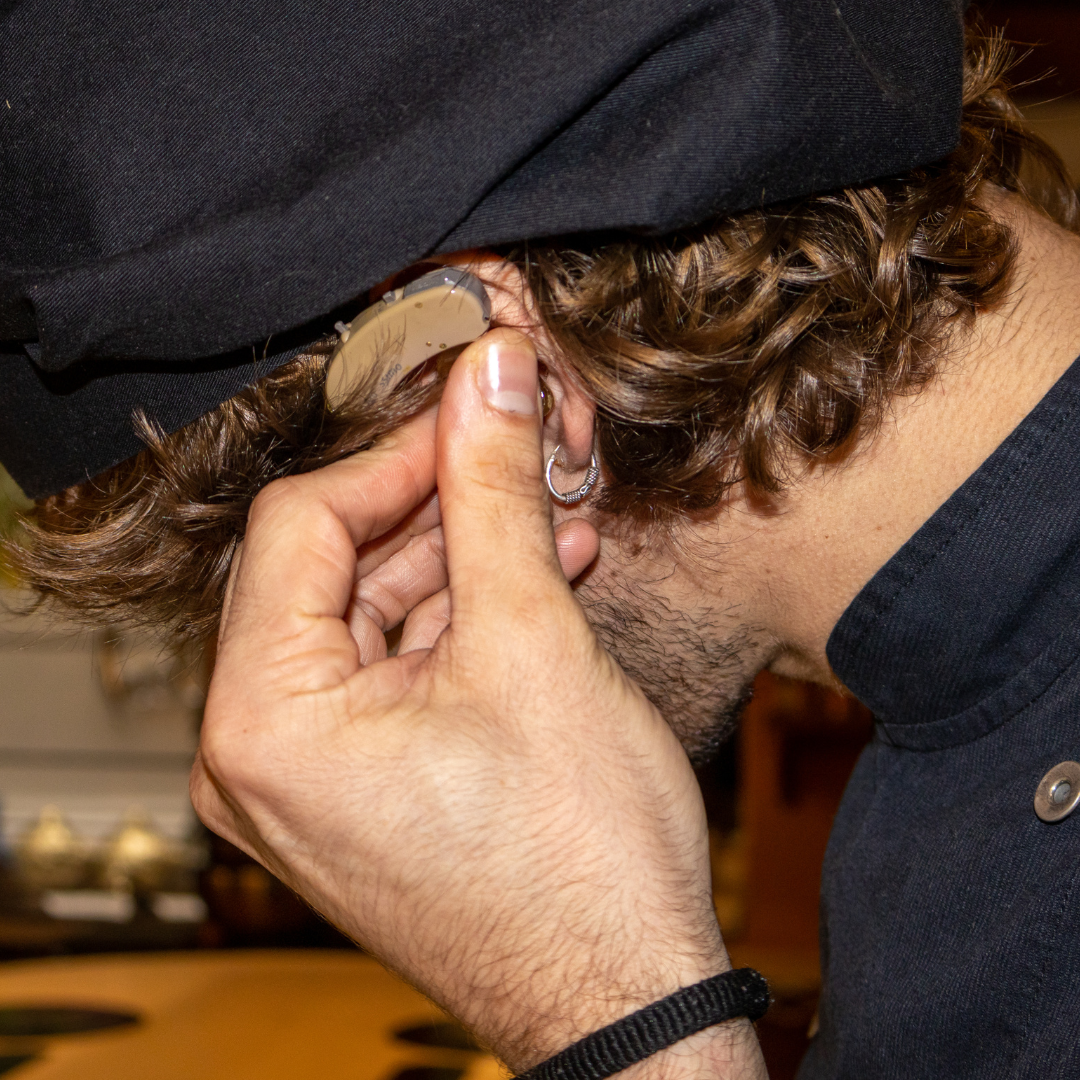
Understanding Difficulty Hearing in Restaurants and Finding Real Relief

Restaurant conversations can be difficult to follow when environmental noise competes with your focus and hearing. Our specialists can evaluate hearing under both calm and noisy listening conditions to establish why noisy rooms present such difficulty. After diagnosing the source of your difficult hearing, we design targeted interventions tailored to your listening needs. Understanding the

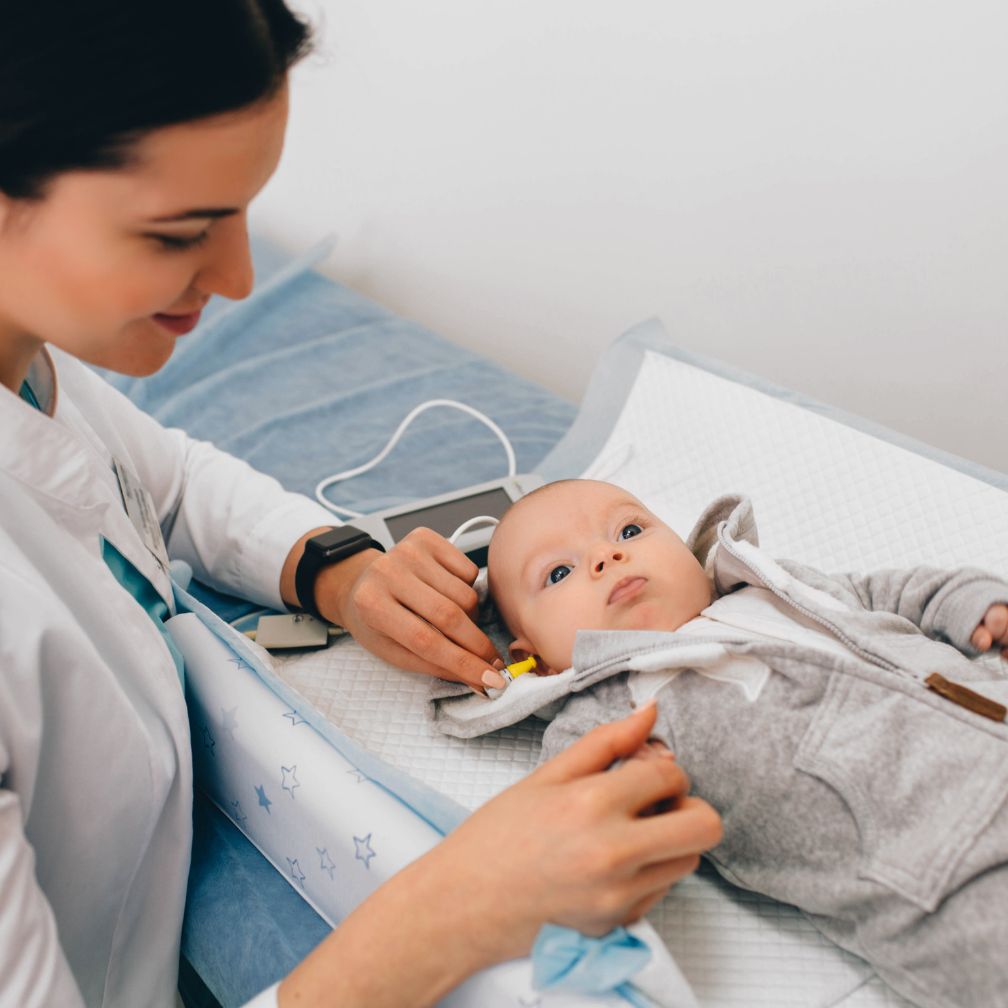
My Baby Failed the Hearing Test: What Happens Next?

For new parents, finding that their newborn presents auditory issues remains extraordinarily shocking and painful. Nevertheless, the reassuring fact stands: with swift screening and appropriate intervention, infants facing hearing loss will routinely flourish. Unquestionably, such infants can develop spoken language, interpersonal skills, and solid relationships across their world, realizing a wonderful life! Utilizing individual hearing

Is Unmanaged Hearing Impairment a Primary Driver of Depression and Anxiety?

Hearing impairment is far from a simple structural flaw; it serves as an intimate personal trial that silently dictates how one engages with reality. Although auditory impairment is widely noted for reducing clarity, its psychological and emotional ramifications stay beneath the surface, yet are just as significant. Ranging from ongoing frustration to deep social retreat,

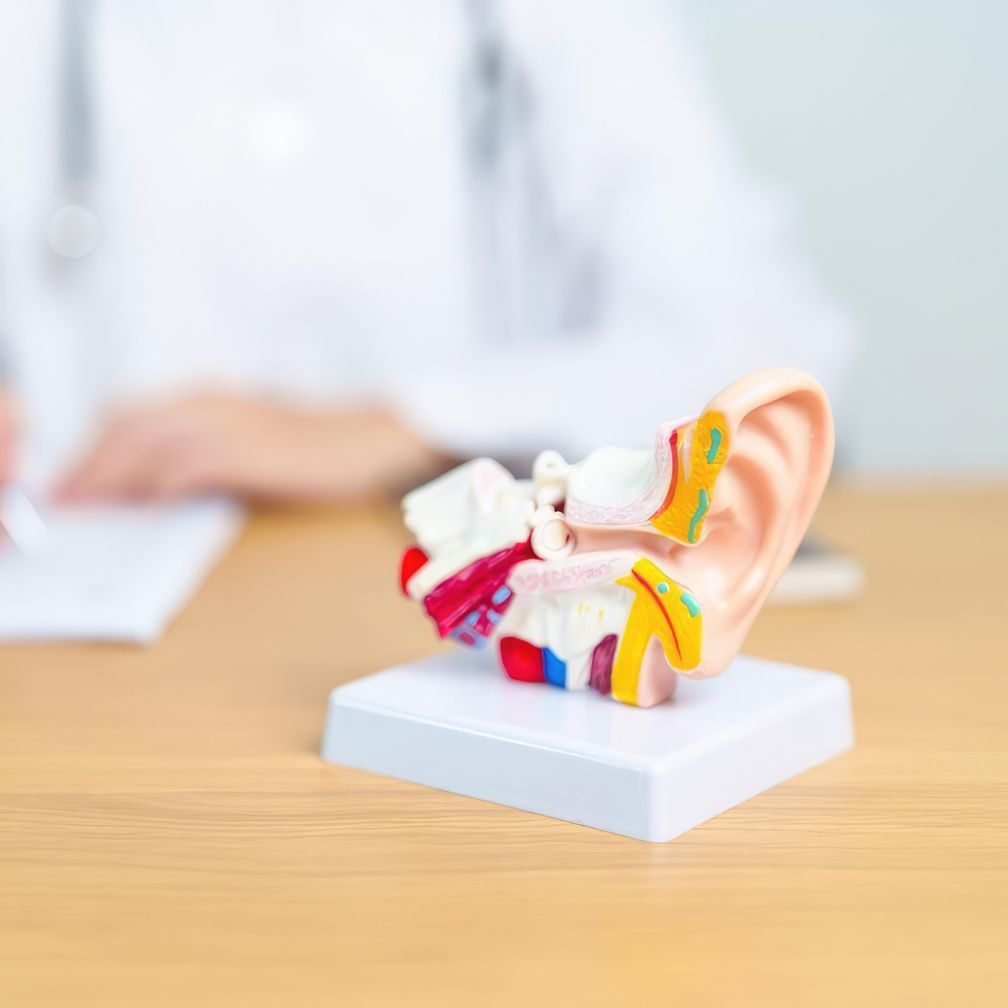
The Architecture of Sound: Does Ear Shape Alter Auditory Tracking?

Perhaps you are already aware that floppy-eared canines navigate sound environments with less acoustic acuity than those with erect, triangular ears. It should come as no surprise that cats, dogs, and hamsters can dynamically rotate their pinnae to sharpen their acoustic focus on sounds originating from the front, flanks, or behind. Yet, our household pets

Decibel Levels on the Road: Understanding Car Noise and Hearing Loss Risk

You love your car. While you would never surrender the absolute sense of freedom experienced behind the wheel, it is vital to consider whether your car is actively degrading your hearing mechanisms. In this analysis, we will investigate the mechanical triggers of vehicle-related hearing loss and outline practical strategies to safeguard your ears. The Open

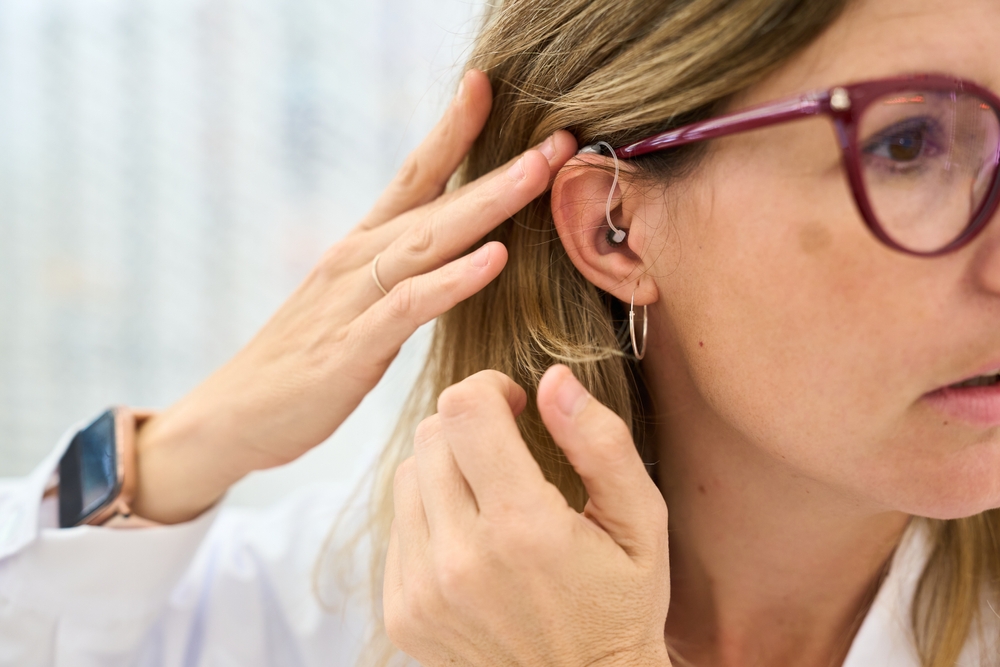
Modern Auditory Devices: Redefining Appearance, Comfort, and Discreet Design

It is incredibly common for individuals to resist getting hearing instruments simply because they dread a bulky appearance or an uncomfortable fit. This hesitation is entirely valid given historical product designs! In various scenarios, patients expressed fear that wearing an obvious device would cause peers to omit them from casual conversations due to perceived listening

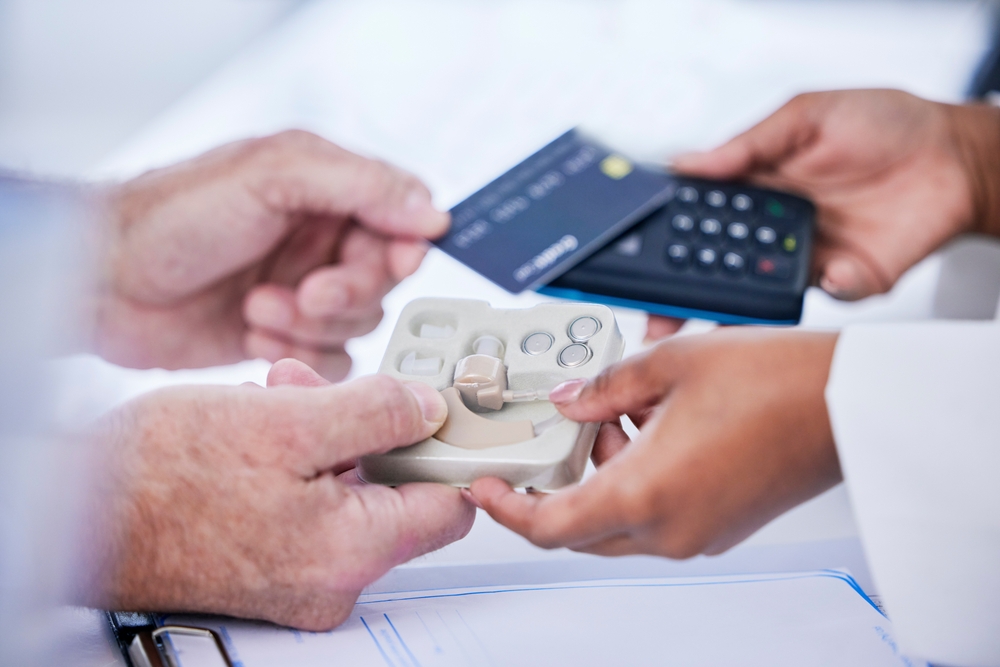
How to Pay for Hearing Aids: HSA, FSA, Insurance & Financing Options

For individuals evaluating advanced auditory technology, the upfront capital required is frequently the first noticeable factor. The total investment fluctuates significantly based on the specific acoustic gain features and the level of personalized audiology care included. Such a capital requirement often surprises families, leading them to prematurely halt their pursuit of better auditory health. Although

Will Medicare Pay for Your Hearing Aids? The Facts Explained

Does Medicare cover hearing aids? The honest answer is: No. Standard Medicare coverage does not include hearing aids. We understand this isn’t the preferred answer, and many individuals are caught off guard by this fact. Luckily, that isn’t the end of the discussion. Different avenues—including Medicare Advantage, payment plans, and extra benefits—can significantly lower the

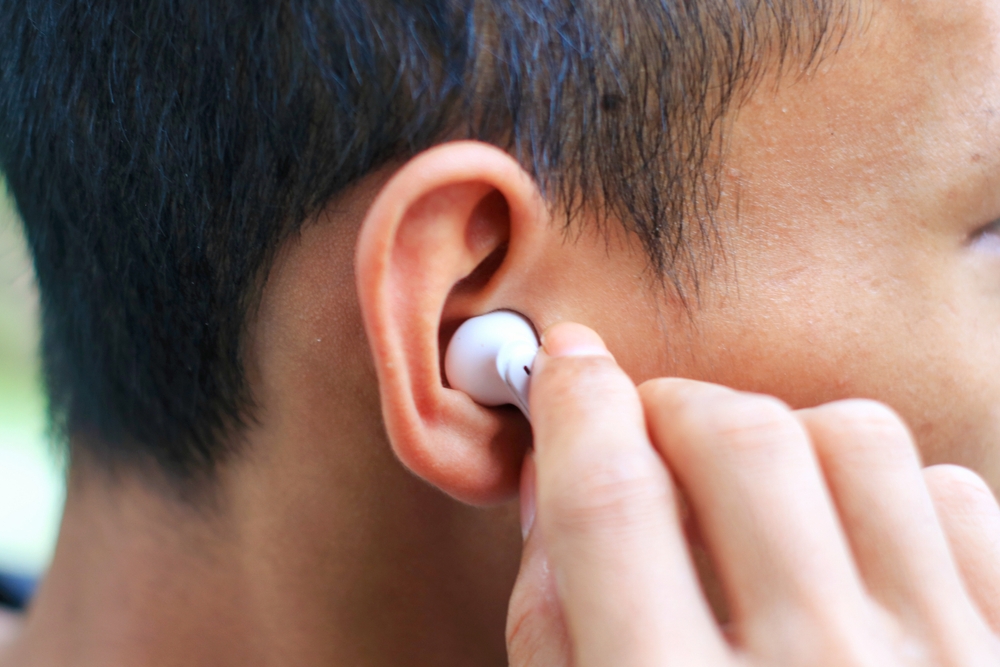
The Risk of Noise-Induced Hearing Loss from Personal Audio Devices

Rarely do we see a young adult in public without an earbud in their ears. Headphones are a bit more cumbersome, but teens still find them a way to escape from their surroundings. Musical enjoyment knows no age limit, though the younger generation has integrated it more deeply into their daily transitions. Does the immediate

Beyond the Ears: Decoding Cognitive Hearing Loss and Brain Function

Most people think of hearing as something the ears do, which is partly true. In reality, the act of hearing is a sophisticated neurological process that relies heavily on brain health. Cognitive hearing is your brain’s ability to interpret and make sense of the sounds your ears hear. For instance, a patient may possess perfect

How Hearing Aids Stimulate the Brain and Support Cognition

Everybody knows that hearing is something your ears do. What we think less about is the role our brain plays in hearing. Your ears collect sound, but your brain interprets it, turning vibrations into words, meaning, and memories. As hearing loss diminishes input, the brain struggles to maintain a high-fidelity connection to the environment. Sustained