
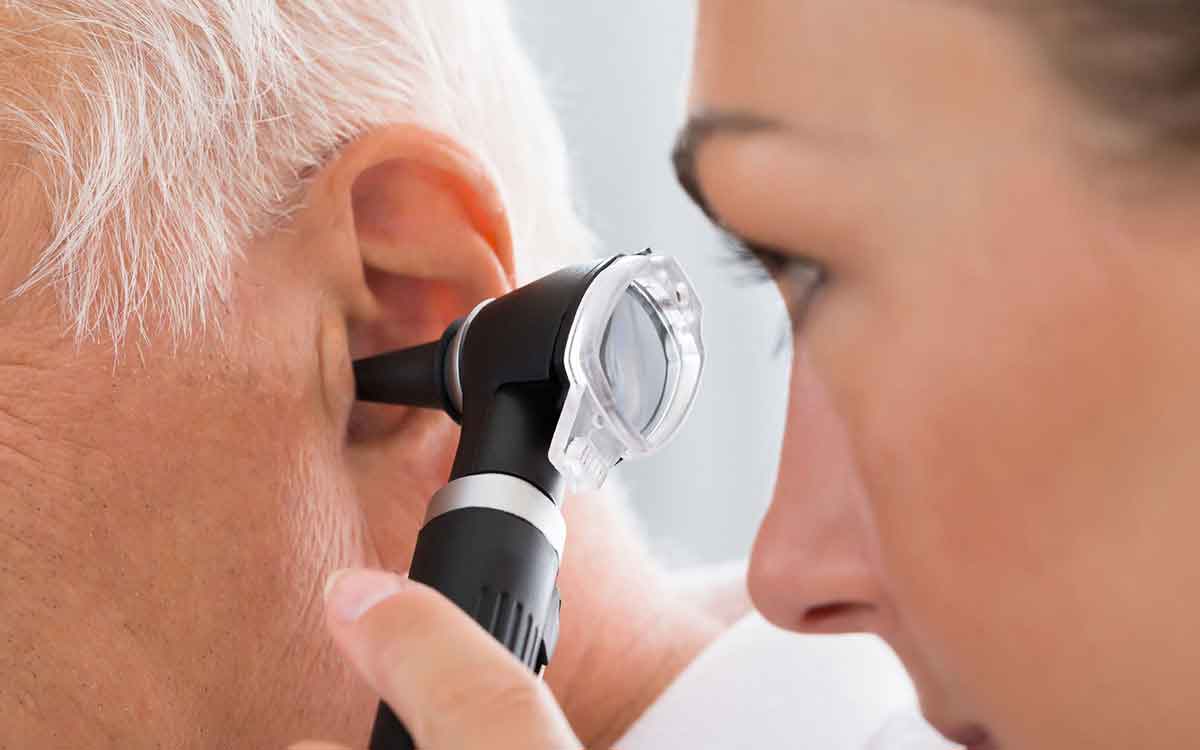
Because hearing loss typically advances slowly, early signs frequently remain undetected by the individual. Subconscious adjustments, such as elevating the phone volume or asking for clarification, often mask the early progression of hearing loss.
But identifying the preliminary indicators of hearing loss is a priority.
Common Symptoms of Early Hearing Loss
If you notice any of the following symptoms, it is recommended to undergo an audiological screening.
- Difficulty understanding conversations, specifically in noisy environments with a lot of activity.
- Frequently asking people to repeat themselves.
- The perception of muffled or slurred speech where sounds lack definition.
- Turning up the volume on the television and mobile devices higher than others prefer.
- Trouble perceiving high-frequency audio, including high-frequency vocalizations, birds, or electronic alerts.
- Auditory sensations such as ringing, buzzing, or humming, known as tinnitus.
- Feeling cognitively fatigued after social interactions, resulting from the strain of auditory processing.
- Isolating from communal environments since following speech becomes difficult.
These early signs of hearing loss can affect either ear and can be intermittent at first. Since the auditory cortex adapts to changes, compensatory behaviors often remain hidden until clinical hearing loss is substantial.
Auditory Health: Current Statistics and Projections
According to official WHO data, over 700 million people will require hearing rehabilitation by 2050. Other noteworthy statistics consist of:
- By 2050, approximately 2.5 billion people are projected to have various levels of hearing loss.
- Over 5% of the world’s population (430 million people) necessitates support to address significant hearing loss.
- More than 1 billion younger individuals are at risk of permanent hearing loss due to unsafe listening practices.
- Among those aged 60 and older, over 25% suffer from clinically significant hearing loss.
The Value of Early Hearing Loss Detection
Neglecting hearing changes can have systemic health consequences that are frequently overlooked.
Studies have identified a link between auditory impairment and an increased likelihood of cognitive decline and diminished balance.
Timely management provides superior results and greater treatment flexibility.
A hearing evaluation helps identify whether changes are due to presbycusis-driven hearing loss, noise exposure, earwax buildup, infection, or underlying pathology.
Certain auditory fluctuations remain temporary and can be addressed via clinical treatment.
Conversely, early use of hearing devices or protective strategies can slow progression.
Recognizing the Need for Audiology Services
It is recommended to seek an evaluation with a hearing specialist if:
- Clinical indicators remain present for more than several weeks.
- Hearing difficulties disrupt occupational performance and social life.
- Experiences with acute hearing loss, vertigo, or persistent ringing warrant prompt evaluation.
Hearing tests are painless and safe, plus they provide critical data into your auditory wellness.
We invite you to reach out to our clinic if you feel a hearing screening would be advantageous.
Common Questions About Early-Stage Hearing Loss
Question: Is aging the sole cause of hearing impairment?
A: No, while aging is a factor, hearing loss can be precipitated by acoustic trauma, infection, or systemic health issues.
Question: Is it possible to restore lost hearing?
A: In specific instances involving earwax or infection, hearing may be restored. Permanent sensorineural hearing loss is typically managed using advanced hearing devices and management protocols.
Question: What is the recommended frequency for hearing screenings?
A: Adults should have a baseline hearing test by age 50, or earlier if symptoms or risk factors are present.