
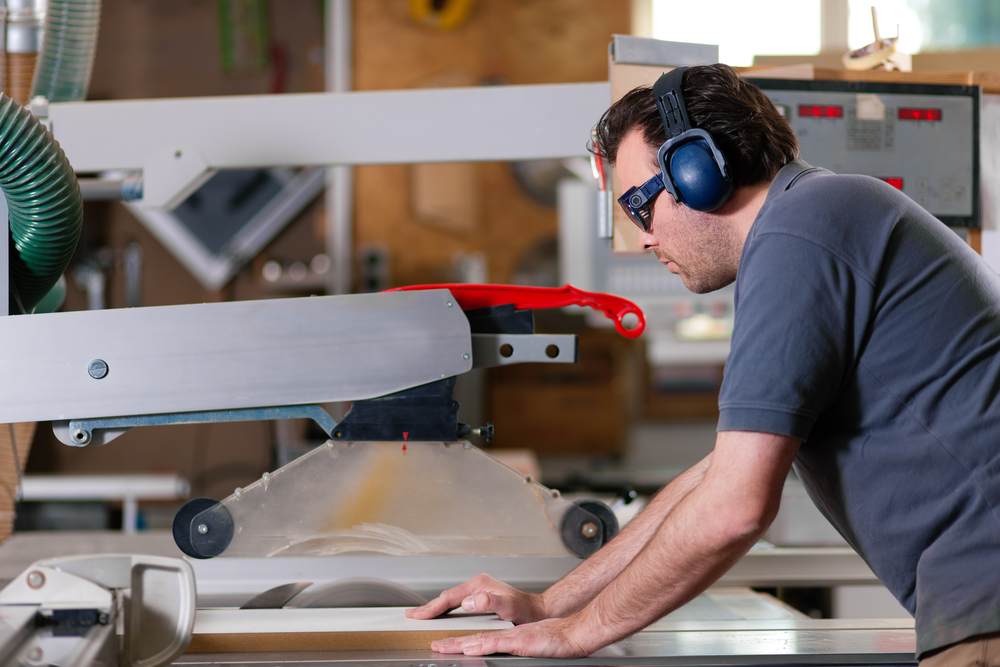
Spending an extended time around loud noise can drastically impact your hearing, particularly when sound intensity is above safe limits. You must protect your ears; this is key for more than preventing hearing loss—it also helps you keep focus despite noisy conditions. What is the most effective way to find the amount of hearing protection that is right for you?
The value of knowing noise levels and effects
The effects of noise exposure aren’t just about volume but also the period of exposure. We use dB—a unit that quantifies sound intensity—as the main metric for grasping noise levels. Sounds at 85 dB and up can result in hearing damage, especially when exposure is continuous.
For comparison, 85 dB is comparable to the noise level of city traffic heard from inside a car. Though this loudness might not seem excessive, spending eight hours in it non-stop can cause hearing impairment. As the sound intensifies, the period of time you can be exposed safely decreases:
- A sound level of 90 dB (e.g., a Lawnmower) can cause damage after 4 hours of exposure.
- Exposure to 100 dB (Power tools) must be restricted to a maximum of 60 minutes.
- Damage is possible after only 15 minutes at the 110 dB level (Leaf blower).
- Exposure to 120 dB (a Rock concert) will damage your hearing instantly.
- A sound level of 140 dB (Jet engine) can cause instant pain and damage.
How to detect unsafe noise situations
It is vital to use hearing protection if your routine exposure is to noise levels exceeding 85 dB. This is especially true in professional settings like building areas, factories, or any setting where machinery, tools, or gear produce too much noise.
Beyond the work setting, scenarios like recreational shooting sports, using leaf blowers, or going to concerts are cases where you may gain an advantage from using hearing protection due to the unsafe noise exposure.
How the NRR guides your selection
We gauge the efficacy of hearing protection through its Noise Reduction Rating (NRR). Given in dB, this figure tells you the amount of sound blockage the protective device is able to block. The larger the NRR, the greater the protection against sound. An illustration is a pair of earplugs with a 30 dB NRR, which could lower an 85 dB sound to 55 dB, thereby maintaining you safely within the bounds of safe exposure.
When deciding on your protection, you should evaluate the actual noise intensity you are exposed to and confirm the protector offers the required reduction to keep the sound below 85 dB.
The vital function of comfort in consistent protection
Although the NRR is essential, comfort is just as significant for guaranteeing that the protection will be worn consistently over time. An uncomfortable or cumbersome protective gear increases the inclination to remove it, which leaves your ears to harmful noise.
Comfortable hearing protection supports steady use, minimizing the threat of periodic exposure. To demonstrate, heavy or uncomfortable earmuffs may be removed by the wearer now and then, subjecting their ears to damaging sound levels.
The main forms of hearing protection equipment
Hearing protection is available in multiple varieties, each with its benefits and disadvantages:
- Foam Earplugs: These sit inside the ear canal and offer excellent noise reduction. They’re lightweight and disposable but may feel uncomfortable for some users.
- Being reusable and resting just outside the ear canal, Pre-Molded Earplugs are a more sustainable choice and are also easier to insert and remove than foam earplugs.
- Earmuffs: Earmuffs cover the entire ear and are ideal for environments with fluctuating noise levels, as they’re easy to put on and take off. However, they may feel heavy or warm during extended use.
Choosing the appropriate type depends on your comfort and the requirements of your environment. Construction workers, for instance, might favor the convenience provided by earmuffs, whereas factory staff may select earplugs for all-day wear.
Committing to constant hearing protection use
The best hearing protection is always the protector that you steadily keep in place. Interrupting the use, even for a short time, could cause permanent effects for your hearing. For this reason, it is crucial to discover a product that offers the perfect balance of protection, comfort, and convenience.
Protect your hearing for the future
While noise is ever present in our daily lives, using the correct hearing protection enables you to shield your ears and still appreciate the sounds of the world.
Reach out to us today to discuss your risk of noise-related hearing loss and how to best safeguard your hearing health.