
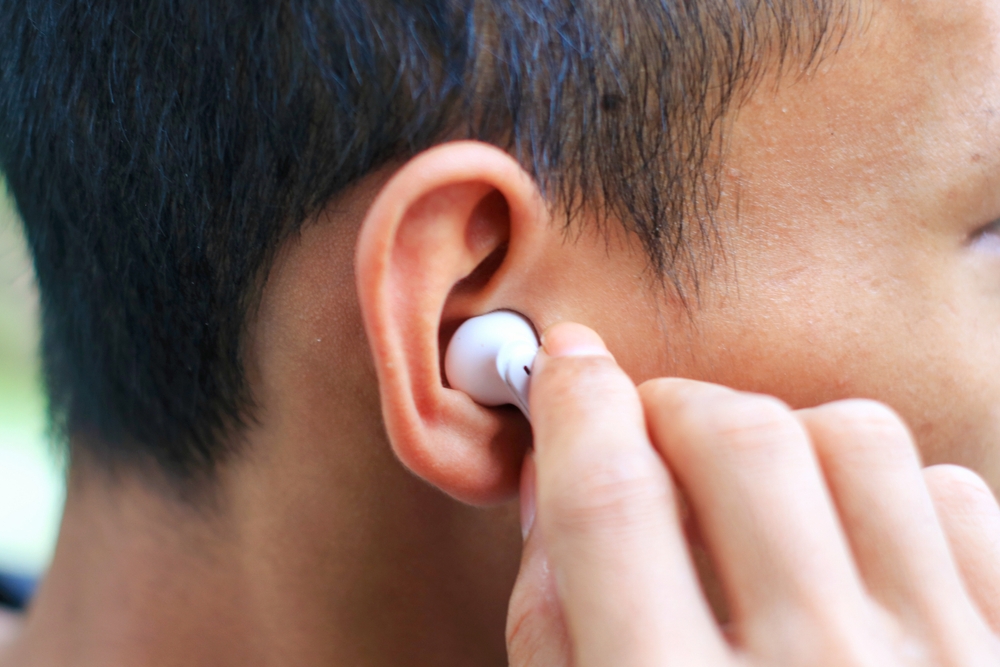
Rarely do we see a young adult in public without an earbud in their ears. Headphones are a bit more cumbersome, but teens still find them a way to escape from their surroundings. Musical enjoyment knows no age limit, though the younger generation has integrated it more deeply into their daily transitions. Does the immediate physical closeness of these transducers to our ears result in measurable hearing loss? It’s not the device itself, but how we use it.
The Risks of Prolonged High-Decibel Exposure
The psychological impact of music varies, serving to calm the nerves, provide emotional solace, or increase physiological arousal. Much depends on the rhythm and volume of the content being consumed. Using a headphone or an earbud is a polite way to listen without disturbing others. Most individuals view this as a positive etiquette, especially within the confined spaces of a bus or train.
The primary clinical concerns center on the precise limits of sound pressure and the length of the listening session. The truth is, loud noise in general is damaging to your ears and your hearing. Sustained exposure to extreme volumes can result in irreversible trauma to the auditory nerve. Because auditory decline is often a slow, cumulative process, the damage is frequently advanced before symptoms are noticed.
Identifying the Critical Risks of Personal Audio
Sound pressure level is the primary variable in the development of **NIHL**. Despite this, the cumulative hours of exposure are just as dangerous as a single loud blast.
- The National Institutes of Health advises that sounds under 70 decibels are generally safe for the human ear.
- High-intensity sound waves cause cellular damage in a fraction of the time required by moderate sounds.
- To protect your ears, utilize the 60/60 guideline: never exceed 60% power and rest after 60 minutes of use.
- Ensuring long-term hearing health requires a proactive reduction in volume and strict limits on listening time.
Recognizing the Symptoms of Auditory Damage
Experiencing aural fullness, persistent **tinnitus**, or difficulty deciphering dialogue in crowds suggests it is time for a clinical hearing test.
Contact our office today if you suspect you may have hearing loss.