
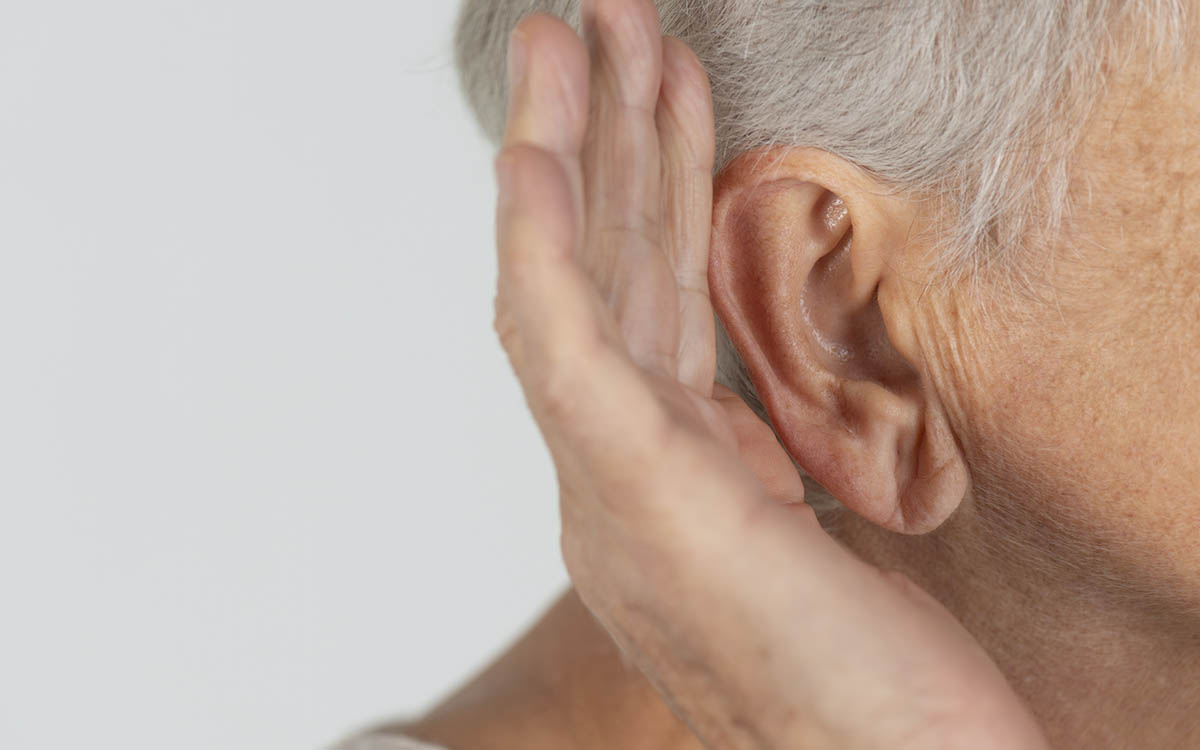
While many individuals correlate hearing loss with getting older, however, for millions in the U.S., hearing damage begins much sooner. Noise-induced hearing loss represents a common, preventable auditory pathology, escaping notice until it becomes a permanent condition.
An objective understanding of noise-related auditory impact over time can help you protect yourself before substantial hearing loss manifests.
Understanding the Clinical Nature of Sound-Triggered Hearing Loss: A Pathophysiological Analysis
The pathology of noise-induced hearing loss involves trauma to the sensitive anatomical structures within the inner ear. According to the Centers for Disease Control and Prevention, sounds above 85 decibels (roughly the volume of heavy traffic) can begin to cause hearing damage with repeated or prolonged exposure. Higher intensity sounds, including those generated by machinery, music venues, or firearms, may result in immediate damage.
Inside the inner ear are tiny sensory cells called hair cells. These receptors facilitate the conversion of acoustic vibrations into electrical signals decoded by the brain. Once damaged, hair cells do not regenerate, making this form of hearing loss a lifelong auditory deficit.
Analyzing the Incremental Progression of Ear Damage
The insidious nature of noise-induced hearing loss is highlighted by its gradual developmental timeline. Early-stage symptoms resulting from noise exposure often include:
- Transient auditory sensations such as ringing or buzzing (Tinnitus)
- Subjective hearing attenuation or muffling after high-decibel events
- Impaired speech discrimination in the presence of background noise
These early warning signs may fade, leading people to assume their hearing has “recovered”. Actually, subsequent noise events continue to degrade internal ear structures, steadily eroding hearing precision.
According to the Hearing Loss Association of America, nearly 48 million citizens live with hearing loss, frequently with unidentified etiology.
Common Environmental Sources of Auditory Trauma
In our modern environment, individuals often develop a tolerance or desensitization to high-volume sounds. As a result, many individuals remain unaware of the clinical prevalence of damaging noise exposure.
Commonly encountered risks include:
- Concert settings and loud musical performances
- The use of headphones at unsafe volume settings
- Gas-powered lawn tools, industrial machinery, and motorcycles
- Workplace noise in construction, manufacturing, or warehouses
Due to the routine nature of these sounds, auditory injury may accrue in the absence of overt symptoms.
The Imperative of Auditory Prophylaxis
Unlike other health conditions, noise-induced hearing loss cannot be reversed. Despite its permanence, the condition is significantly preventable. Risk reduction can be achieved through fundamental protective habits, including:
- The application of earplugs or attenuation earmuffs in loud areas
- Modulating audio output levels and observing 60/60 rule constraints
- Implementing quiet intervals to permit the auditory system to rest
- Arranging for routine Audiology assessments if noise exposure is frequent
Criteria for Clinical Auditory Assessment
If you notice persistent ear ringing, difficulty following conversations, or changes in hearing clarity, you should seek evaluation from a hearing professional. Prompt clinical evaluation is vital for tracking auditory status and formulating effective hearing preservation plans.
Implementing protective measures today safeguards your auditory capacity for the years ahead. While environmental noise is often inevitable, hearing loss is a preventable outcome. Contact our team today to schedule a consultation and make sure you’re hearing your best.